Back Pain
7 Common Causes of Back Pain (and When It's Time to See a Chiropractor)
August 24, 2026
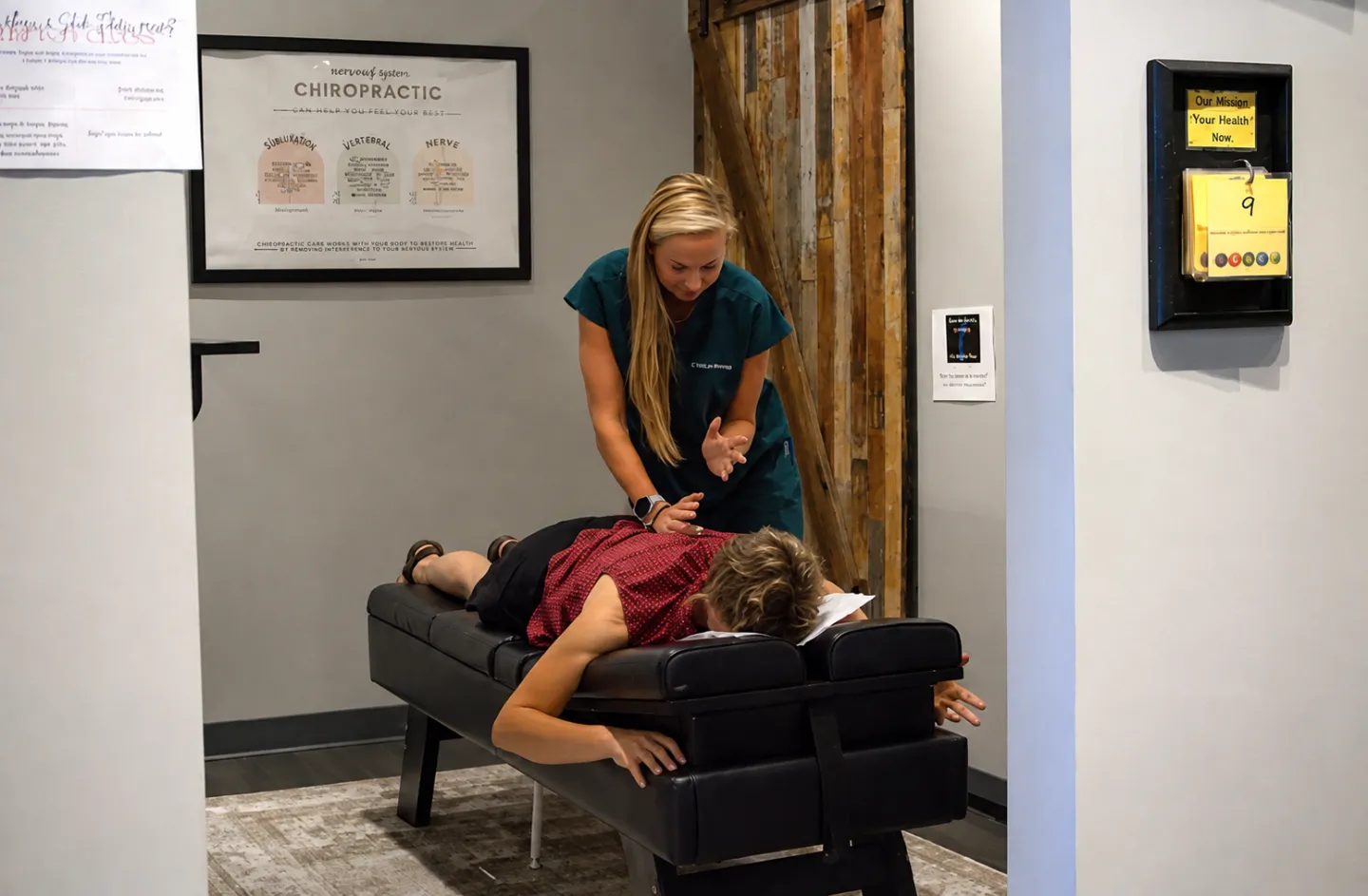
Back pain can be frustrating, especially when it keeps coming back, and you're not sure what's causing it. Sometimes the reason is straightforward, such as sitting too long, lifting something awkwardly, or straining a muscle. Other times, back pain can be linked to a disc problem, sciatica, changes in the spine, or an old injury.
The tricky part is knowing when you're dealing with normal soreness and when something deserves a closer look. If your pain keeps returning, gets worse, or starts causing numbness, tingling, or pain that travels into your leg, a sciatica relief chiropractor evaluation may help you understand what's going on.
Here's what to know about the most common causes of back pain and when to seek care!
Key Takeaways
- Back pain can come from poor posture, muscle strain, herniated or degenerated discs, sciatica, osteoarthritis, spinal alignment issues, and injuries or scoliosis.
- Pain that lasts more than a couple of weeks, gets worse, or travels into the arm or leg is worth having evaluated rather than continuing to wait it out.
- Sciatica is different from ordinary lower back pain because it can cause pain, numbness, or tingling that travels from the lower back through the hip and leg.
- A corrective plan is based on exam findings, individual goals, and how your body responds to care, with progress evaluated against the original exam.
What Causes Back Pain for Bee Cave Residents?

Back pain can start with something as simple as long hours at a desk or an awkward lift, but an old injury, disc problem, spinal alignment issue, or scoliosis can also play a role. Here are seven common causes of back pain to know about.
1. Poor Posture
Sitting at a desk for hours, looking down at your phone, or slouching while you work can keep your spine in the same stressed position for long periods (what we call “Tech Neck”). That extra strain can leave your back feeling stiff after a workday, sore when you stand up, or painful each time the same posture puts pressure on it.
2. Muscle Strain or Spasms
A muscle strain can happen after an awkward lift, a hard workout, or repeated movements such as lifting, bending, or twisting throughout the day. Muscle spasms can also cause sudden, painful tightening that makes it difficult to move normally.
3. Herniated or Degenerated Discs
The discs between your vertebrae act as cushions for your spine. A worn or herniated disc can irritate nearby nerves, which may cause back pain along with numbness, tingling, or pain that travels into an arm or leg.
4. Sciatica
Sciatica happens when the sciatic nerve becomes irritated, causing pain that can travel from the lower back into the hip, buttock, or leg. Unlike ordinary muscle soreness, sciatica may feel sharp or burning and can come with tingling or numbness that follows the path of the sciatic nerve.
5. Osteoarthritis
As joints change with age, the cartilage that helps them move smoothly can wear down. This can contribute to stiffness and pain, particularly when you first get up in the morning or after sitting for a long time.
When the spine isn't properly aligned, some muscles and joints may have to work harder to support it. Spinal misalignment back pain may show up as stiffness, uneven shoulders, or discomfort that gets worse with certain movements.
Back pain can also follow an accident, sports injury, or other physical trauma. For some people, scoliosis or a spinal curve can change how the body distributes stress, which may contribute to discomfort over time.
Everyday habits can add to these problems, too. Long hours at a desk, recreational sports, screen use, sleep position, and lifting technique all affect the amount of stress your back handles throughout the day.
What do early lower back pain symptoms look like?
Early lower back pain symptoms can include a dull ache after sitting, tightness when bending, or less flexibility when you first get up in the morning. If those symptoms keep returning, become more painful, or start affecting how you move, it's worth finding out what's behind them rather than simply waiting for the pain to go away.
If you're looking for a chiropractor Bee Cave TX residents can turn to, an evaluation can help determine whether your symptoms are related to muscle strain, spinal alignment issues, a disc problem, or another cause.
When Should You See a Chiropractor for Back Pain?
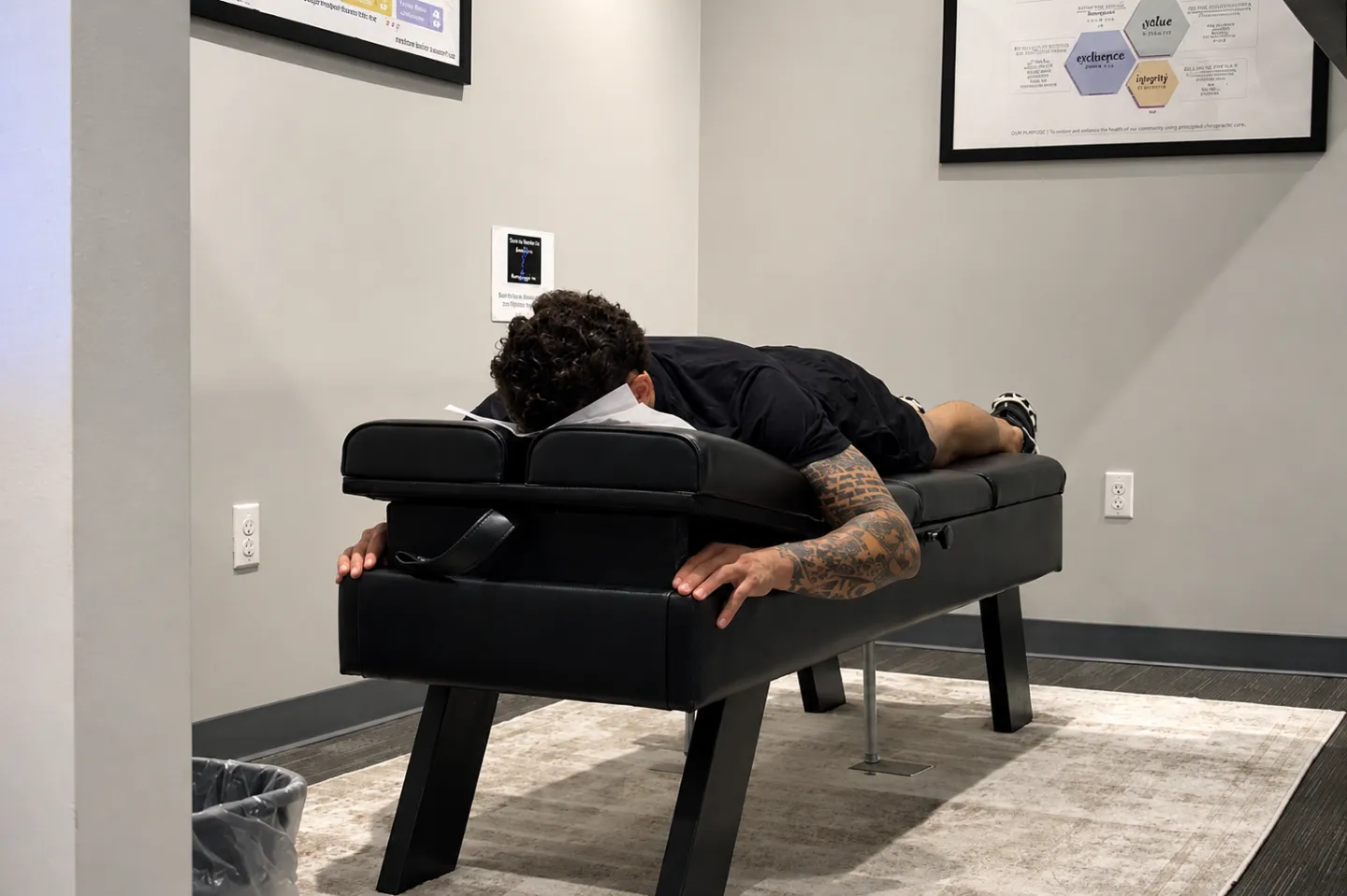
Not every sore back needs professional care. If you've strained a muscle after a workout or slept in an awkward position, the discomfort may settle within a few days. But if the pain keeps coming back, gets worse, or starts affecting other parts of your body, it's time to take a closer look.
Knowing when to see a chiropractor for back pain often comes down to how long the pain lasts and what other symptoms you notice. Pain that continues for more than a couple of weeks, gets progressively worse, or travels into your leg or arm is worth having evaluated.
Radiating pain is especially important to pay attention to. Pain that travels down your leg or into your arm can involve the nerves and may be different from the soreness you'd expect after a muscle strain.
What happens during a first chiropractic evaluation?
Your first visit should start with an evaluation, not an adjustment. The chiropractor will look at your current symptoms, health history, and how you move to better understand what may be contributing to your pain.
At Elite Wellness Chiropractic, the first visit includes an exam and X-rays before a care plan is recommended. This gives Dr. Mikala Hiben, DC, a clearer picture of what's happening before treatment begins.
Is back pain with leg or arm symptoms different from ordinary soreness?
Yes. Ordinary muscle soreness usually stays in one area and improves within a few days. Pain that travels into an arm or leg can point to nerve involvement and deserves a closer evaluation.
Consider getting your back pain evaluated if you notice:
- Pain that lasts longer than a couple of weeks
- Discomfort that keeps getting worse
- Pain that travels into your leg or arm
- Recurring headaches alongside back or neck pain
The goal isn't to guess what's causing the pain or simply wait for it to disappear. A proper evaluation can help you understand what's contributing to your symptoms and what your options are.
How Does Corrective Chiropractic Care Address the Cause?
Corrective chiropractic care looks beyond the pain you're feeling today. Instead of focusing only on temporary symptom relief, the goal is to understand how your spine is aligned and moving, then build care around what the exam shows.
When the spine is out of alignment, the body may compensate by putting extra stress on nearby joints and muscles. Over time, that can affect how you move and contribute to other areas becoming uncomfortable. Corrective care is designed to address those underlying alignment and movement issues rather than simply treating the pain each time it appears.
A desk worker with recurring stiffness may need a different plan from someone whose back pain started after a sports injury or car accident. Care typically progresses through phases, starting with reducing acute discomfort, followed by work focused on alignment and movement. Some patients then continue with a maintenance phase to help support the progress they've made.
What makes a treatment plan truly "corrective"?
A corrective plan is built around the individual patient, not a one-size-fits-all schedule. The plan takes into account:
- Exam findings: What the exam shows about alignment and movement
- Individual goals: What the patient wants to improve, whether that's pain, mobility, or both
- Response to care: How the body responds from one visit to the next
That last part matters. A treatment plan shouldn't stay exactly the same if the patient's needs or response to care change. Adjustments can be refined as progress is evaluated.
How is progress tracked over time?
Progress should be based on more than whether you feel better on a particular day. At Elite Wellness Chiropractic, posture, alignment, and function can be evaluated at different points and compared with the original exam.
This gives patients a clearer picture of how their body is responding to care. Instead of simply being told that things are improving, they can see how their findings have changed over time.
Frequently Asked Questions
How long does corrective chiropractic care take to work?
The timeline depends on what the exam shows, how long you've had the problem, and how your body responds to care. Corrective care may include an initial phase focused on reducing acute discomfort, followed by a corrective phase that works on alignment and movement over several weeks or months. Some patients continue with a maintenance phase afterward.
Progress is evaluated along the way by looking at posture, alignment, and function and comparing those findings with the original exam.
Can back pain from poor posture be improved without surgery?
Many cases of posture-related back pain can be addressed with non-invasive care and changes to daily habits. Improving your workstation setup, sleep position, and lifting technique can also reduce the strain placed on your back. Here are the 10 best posture tips from professional experts!
Whether surgery is appropriate depends on the underlying cause and severity of the problem. A professional evaluation can help determine what approach makes sense for your situation.
What is the difference between sciatica and general lower back pain?
General lower back pain often stays around the lower back, while sciatica can travel from the lower back through the hip and into the leg. Sciatica may also cause numbness, tingling, or other sensations along the path of the sciatic nerve.
Because radiating pain can involve the nerves, it deserves a closer evaluation than ordinary muscle soreness.
Do I need a referral to see a chiropractor in Bee Cave, TX?
No. You can contact a chiropractor Bee Cave, TX clinic like Elite Wellness Chiropractic directly to schedule an evaluation.
The first visit begins with an assessment of your symptoms, health history, and movement. At Elite Wellness Chiropractic, the first visit also includes X-rays, with care recommendations made after the evaluation.
Is chiropractic care safe for chronic, long-standing back pain?
Chiropractic care is a non-invasive option that some people use for chronic back pain. With a corrective approach, care is based on the individual's exam findings and how their body responds over time rather than following the same schedule for everyone.
If back pain has been limiting your work, exercise, sleep, or daily movement, an evaluation can help determine whether corrective chiropractic care is appropriate for your situation.

Dr. Mikala Hiben
Chiropractor and Owner at Elite Wellness Chiropractic
Featured Articles

10 Posture Tips for Residents of Bee Cave, Texas
Improve your posture with these 10 practical tips from Elite Wellness Chiropractic in Bee Cave. Simple daily changes for better spinal alignment and less pain.
10 Posture Tips for Residents of Bee Cave, Texas

What to Expect at Your First Chiropractic Visit in Bee Cave
Wondering what happens at your first chiropractic appointment? Here's a clear walkthrough of the consultation, exam, X-rays, costs, and how to prepare for your visit at Elite Wellness Chiropractic in Bee Cave.
What to Expect at Your First Chiropractic Visit in Bee Cave

Unlock Lasting Relief for Tech Neck: Beyond Temporary Fixes
Struggling with tech neck? Learn how corrective chiropractic care at Elite Wellness in Bee Cave can relieve neck pain, improve posture, and restore lasting comfort.
Unlock Lasting Relief for Tech Neck: Beyond Temporary Fixes